Detection is only half the question
Assessing water safety means understanding both current contamination and how conditions might change. HealthFactor-AI separates these tasks into reactive classification and proactive safety-trend forecasting.
My contribution
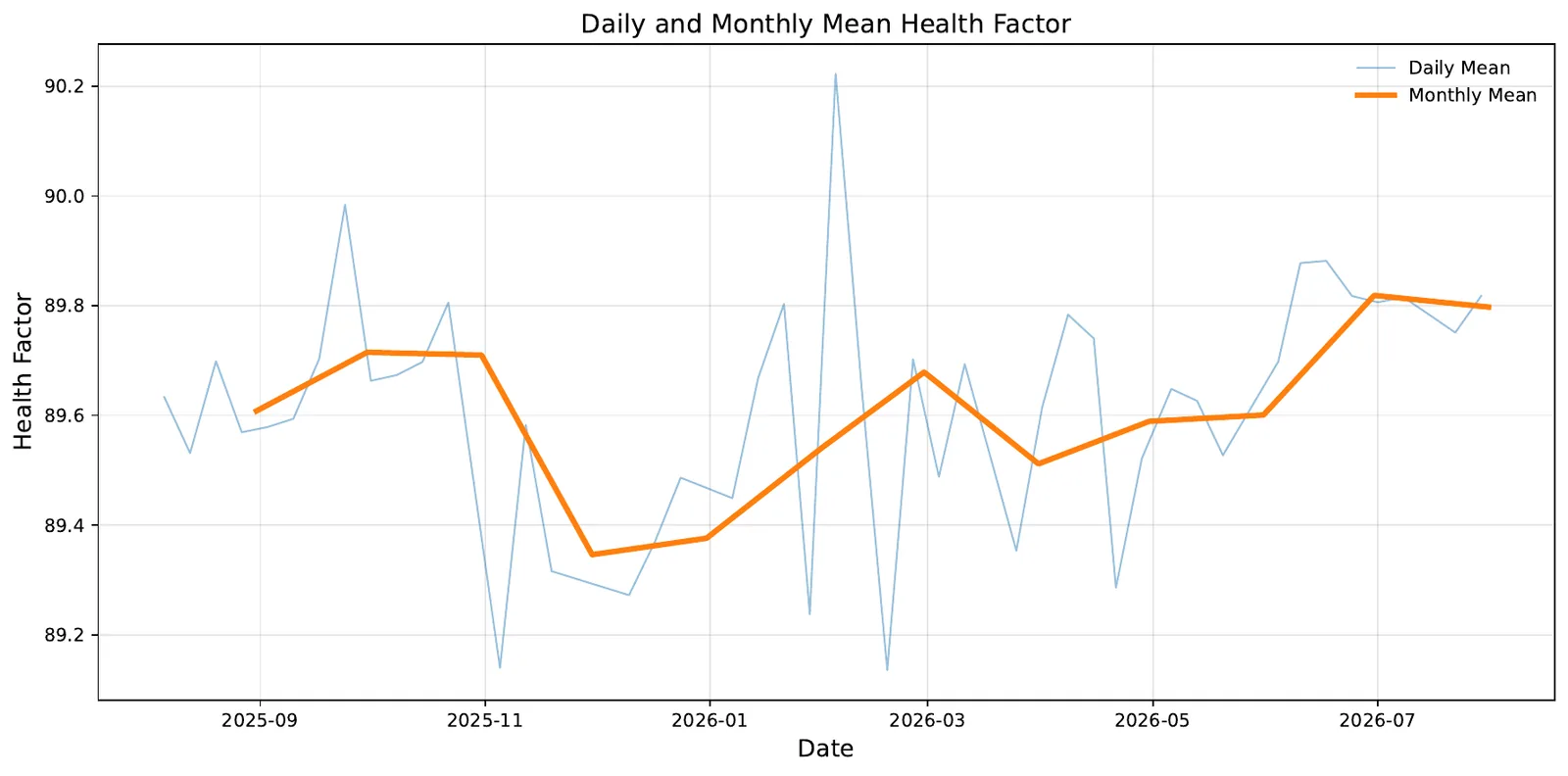
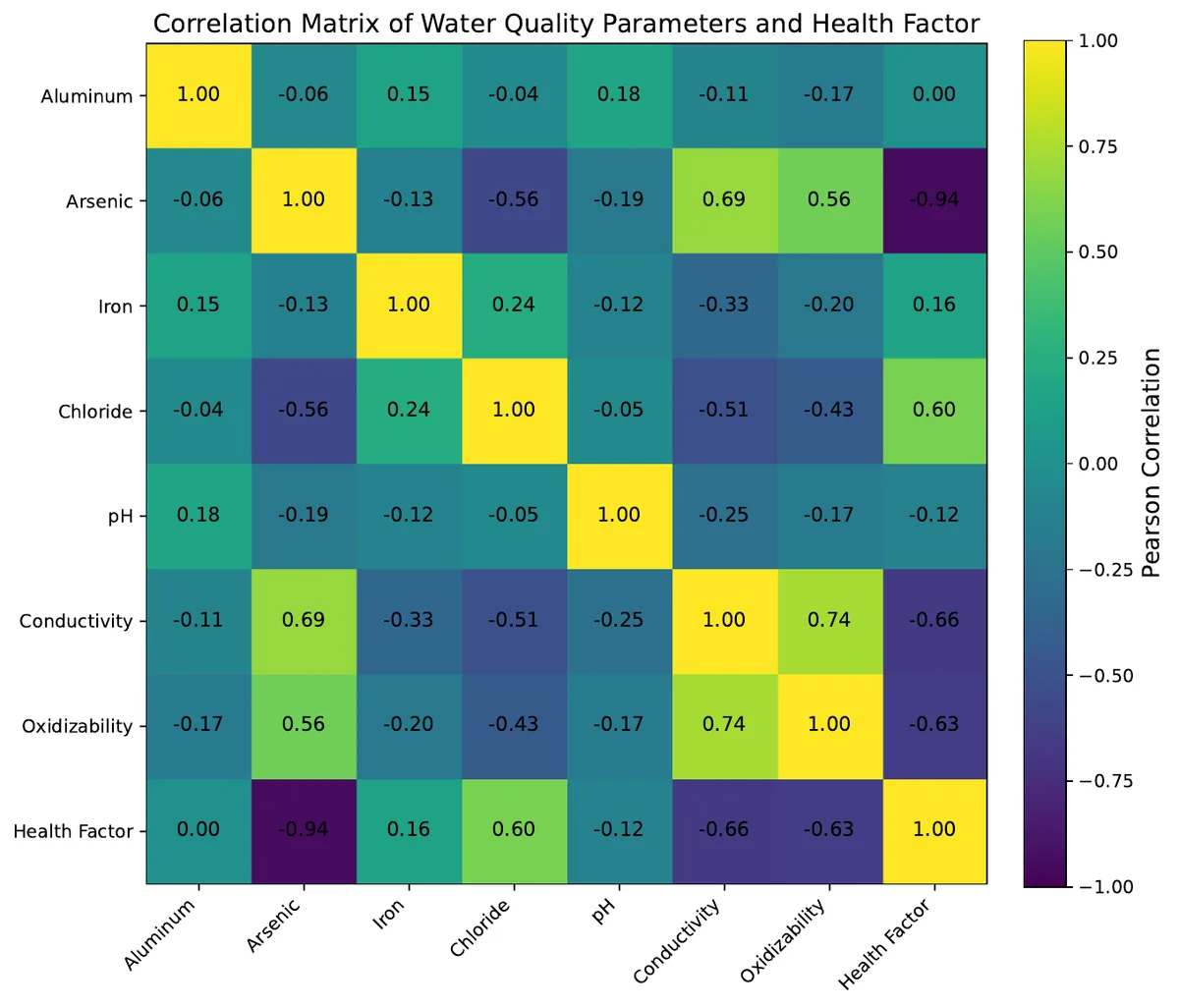
I architected the two-layer framework and its automated data-refresh pipeline over İzmir's public water-quality data: 26,469 single-parameter measurements from 76 sampling points in 11 districts, combined into 1,557 date-and-location observations between August 2025 and July 2026. I worked on the Health Factor features, controlled synthetic augmentation of the rare unsafe classes, the reactive classifiers (SVM, Random Forest, Decision Tree and KNN) and the proactive trend models. For the journal revision I wrote the synthetic-data, paper-versus-code and figure audits.
Evaluation and results
The splits are chronological: training data runs to April 2026, validation to early June, and the test set covers June and July 2026. Every run writes a leakage audit.
The real measurements contain almost no unsafe samples. The real test split holds only the “Good” class, so every Risk example the reactive layer is tested on is synthetic. Its scores show how well the classifiers separate the generated contamination patterns, not how they would catch real contamination. The proactive layer, which predicts whether the Health Factor will drop, stay stable or rise, is the harder task; Random Forest was selected on the validation split. I do not quote a single headline score for either layer here: the numbers belong with their caveats in the paper.
Research output
This work connects to the manuscript “Two-layered Artificial Intelligence System to Assess and Forecast the Safety Level of Drinking Water Resources,” accepted at the International Journal of Engineering Approaches (IJEA). Publication is pending. A publication date and DOI are not yet listed.
Limitations and next questions
Synthetic contamination patterns do not establish performance on real contamination events. Generalization to other sources, temporal drift and the cost of a missed contamination need evaluation on real unsafe samples before any operational use. The repository includes the revision package: the data, code, model outputs and audits behind every number in the manuscript.